
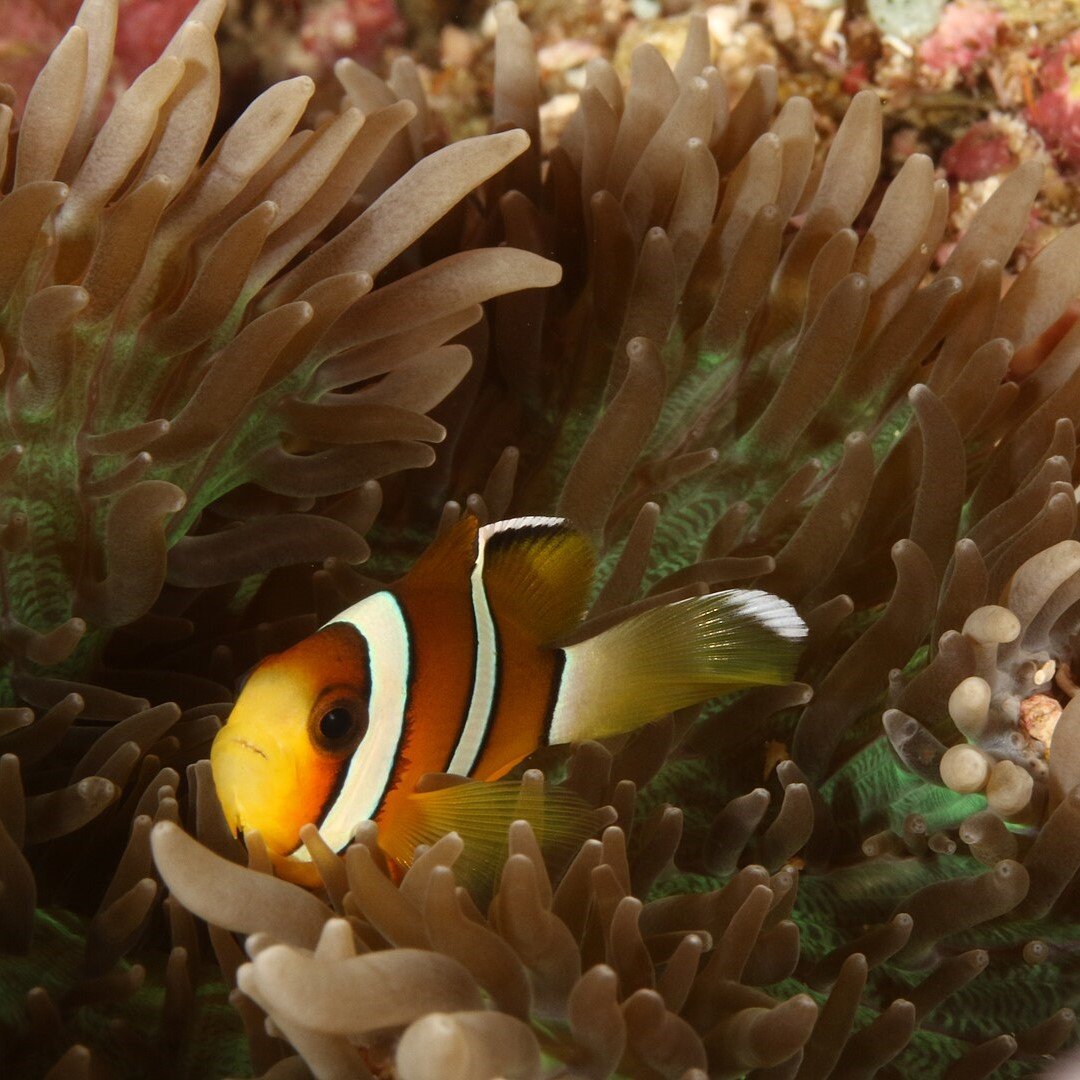
Beneath the crystal-clear waters of the world’s oceans lies a mesmerizing realm filled with wonder and beauty. Scuba divers often find themselves captivated by the vibrant colors and intricate relationships that exist within this underwater world. One of the most fascinating examples of symbiosis and mutualism in the marine ecosystem is the unique partnership between anemones and clownfish.
In this blog post, we will delve into the world of anemones and clownfish to uncover the secrets of their extraordinary relationship, exploring the science behind their symbiotic connection and the awe-inspiring mutualism that benefits both species.
Understanding Symbiosis
Symbiosis is a biological term used to describe the interaction between two different species living in close proximity, often involving a long-term relationship. In the case of anemones and clownfish, the symbiosis is a classic example of mutualism, a type of symbiotic relationship where both species benefit.
The Anemone’s Stinging Tentacles
Anemones are sessile marine animals that are known for their vibrant colors and long, stinging tentacles. These tentacles contain specialized cells called cnidocytes, which are armed with tiny harpoons called nematocysts. These nematocysts are used to inject venom into prey, immobilizing them for the anemone to consume.
The Clownfish’s Unique Adaptations
Clownfish, on the other hand, are small, brightly colored fish that have evolved an intriguing set of adaptations that allow them to thrive among the venomous tentacles of anemones. They are immune to the stings of the anemone due to a layer of mucus that covers their bodies, which serves as a protective shield. This mucus also helps the clownfish in remaining unrecognizable to the anemone, which is essential for their survival.
Mutualism in Action
So, how does this mutualistic relationship work, and what do both parties gain from it?
Protection: The clownfish gain a safe haven among the anemone’s stinging tentacles, protected from predators. In return, they offer the anemone protection from small polyp-eating fish and help to keep it clean by removing debris.
Food: Anemones primarily rely on sunlight for energy, but they also require nutrients from small fish and plankton. Clownfish provide a steady source of food through their waste, leftover meals, and, in some cases, they even bring in small bits of food for the anemone.
Cleaning Services: Clownfish keep the anemone’s tentacles clean and free from parasites. They gently nibble away algae and other unwanted hitchhikers, ensuring the anemone’s overall health.
Transportation: The clownfish’s movement around the anemone helps in circulating water, ensuring that nutrients and oxygen reach all parts of the anemone.
Dive into the Discussion
The partnership between anemones and clownfish is a remarkable example of the intricate relationships that exist in the underwater world. Their mutualism showcases the beauty of nature’s balance and adaptation, where two seemingly different species come together to not only survive but thrive.
As scuba divers, we are privileged to witness this captivating dance of symbiosis, a testament to the wonders that the ocean holds. The next time you find yourself exploring the depths of the sea, take a moment to admire the vibrant anemones and the resilient clownfish, and appreciate the enduring partnership that defines life beneath the waves.
We hope you found our exploration of the remarkable relationship between anemones and clownfish both informative and inspiring. Nature’s wonders never cease to amaze, and the ocean’s depths are filled with countless more stories waiting to be uncovered.
Do you have any questions, thoughts, or personal experiences related to these fascinating marine creatures? We’d love to hear from you! Feel free to share your insights, anecdotes, or any scuba diving stories you’d like to add. Leave a comment below and join our community of fellow ocean enthusiasts.
And if you’re itching to share your own scuba diving adventures, photos, or have more specific inquiries, we are here to listen. Use the contact form provided, and we’ll get back to you as soon as possible.
Your engagement fuels our passion for exploring the underwater world, so don’t hesitate to reach out. Let’s continue our journey through the mysteries of the deep blue sea together!
Happy diving!

