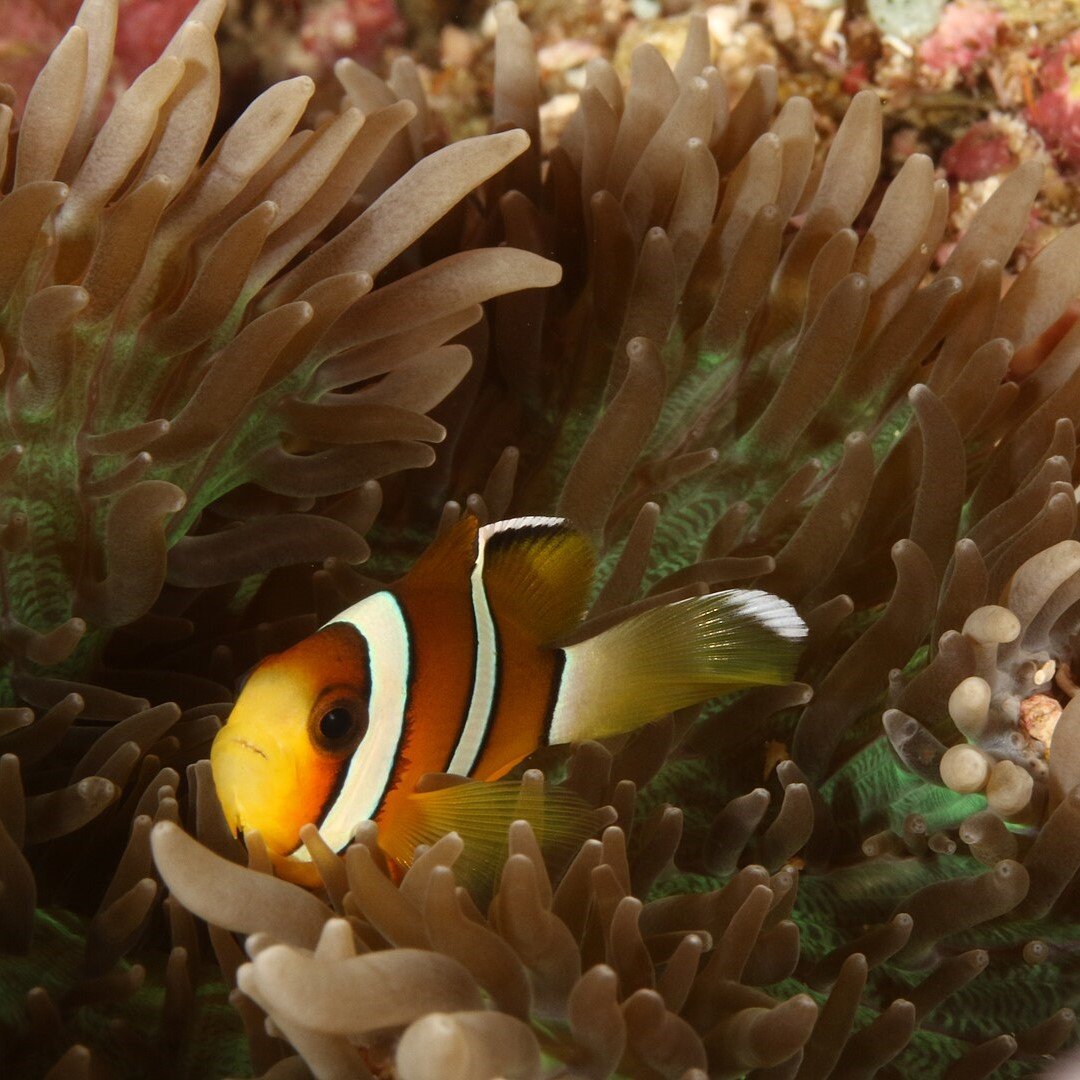
Scuba diving is a captivating adventure that allows us to explore the mysterious depths of the ocean. Achieving perfect buoyancy is not just a technical skill; it is a delicate balance that brings together two essential elements: the comfort of the diver and the preservation of marine ecosystems. In this blog post, we will dive deeper into the significance of buoyancy control, exploring how it enhances the overall diving experience for the diver while playing a vital role in safeguarding the fragile underwater world.
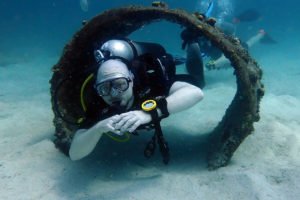
Weightlessness and Graceful Movement
Perfect buoyancy grants the diver a sensation of weightlessness, a feeling of freedom unlike any other. When buoyancy is well-maintained, divers can glide effortlessly through the water, with each movement flowing smoothly and without resistance. This weightlessness reduces physical strain, allowing divers to conserve energy and extend their dive times, thus maximizing the pleasure of underwater exploration.
Peaceful Immersion
Neutral buoyancy promotes a state of peace and serenity during the dive. By achieving hovering stability, divers can observe marine life without disturbing their habitats. The ability to maintain a steady position offers an uninterrupted view of aquatic wonders, transforming the dive into a meditative experience, free from hurried movements and clumsy touches.
Enhanced Safety
Maintaining perfect buoyancy contributes significantly to diver safety. By having control over their position in the water, divers can avoid accidental collisions with sharp coral reefs or other hazardous underwater structures. In emergency situations, buoyancy control is crucial for ascending safely and avoiding decompression sickness.
Minimizing Physical Impact
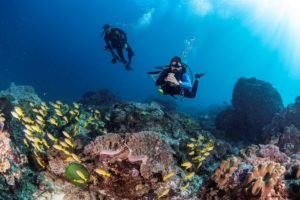
Perfect buoyancy empowers divers to minimize their physical impact on the underwater environment. By avoiding contact with delicate corals and marine creatures, divers can ensure the longevity and health of these precious ecosystems. Respecting the underwater world through buoyancy control serves as an essential example for other divers and reinforces the importance of eco-friendly diving practices.
Reducing Sediment Disturbance
Uncontrolled descents or ascents can stir up sediment, leading to reduced visibility and damaging marine habitats. Proper buoyancy techniques enable divers to control their movements, ensuring minimal disruption to the ocean floor and the organisms that call it home.
Promoting Marine Conservation
As ambassadors of the ocean, divers with perfect buoyancy act as advocates for marine conservation. They understand the significance of preserving these underwater ecosystems and actively participate in initiatives to protect marine life, raise awareness about environmental issues, and promote sustainable diving practices.
Achieving Ideal Buoyancy
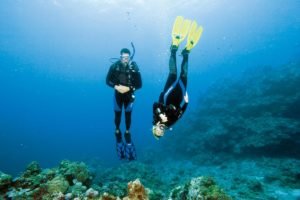
The technique of achieving perfect buoyancy in scuba diving involves fine-tuning your control over your position in the water, allowing you to hover neutrally at any depth. To achieve this, divers utilize their Buoyancy Control Device (BCD) to adjust their overall buoyancy. A slow and controlled descent, using short bursts of air to maintain depth, helps establish the desired position underwater. Once at the desired depth, divers use their breath and BCD to make precise adjustments, maintaining a state of weightlessness and harmony with the marine environment. Practicing controlled movements and minimizing physical contact with the underwater world preserves delicate marine ecosystems and ensures a comfortable, safe, and immersive diving experience.
Share Your Thoughts
Perfect buoyancy is the cornerstone of a harmonious and fulfilling scuba diving experience. By emphasizing both the comfort of the diver and the preservation of marine ecosystems, we can attain a profound connection with the underwater world. Divers who master buoyancy control discover a symphony of tranquility beneath the waves, where they can enjoy the wonders of the ocean without disrupting its delicate balance. Let us strive to be conscientious divers, mindful of our buoyancy, and dedicated to safeguarding the mesmerizing beauty of our marine environments for generations to come.
We hope you found our exploration of achieving ideal buoyancy in scuba diving both informative and inspiring. We value your input and experiences as divers, and we encourage you to share your thoughts with us. Whether you have additional tips to add, personal stories to recount, or questions about buoyancy control, we’d love to hear from you!
Don’t hesitate to leave your comments below, as they can spark engaging discussions and foster a sense of community among divers. Moreover, if you’d like to connect with us directly, feel free to use the contact form provided. We welcome your feedback, suggestions for future topics, or any other inquiries related to scuba diving.
Together, let’s continue exploring the wonders of the underwater world with a passion for conservation and the pursuit of perfect buoyancy. Happy diving!