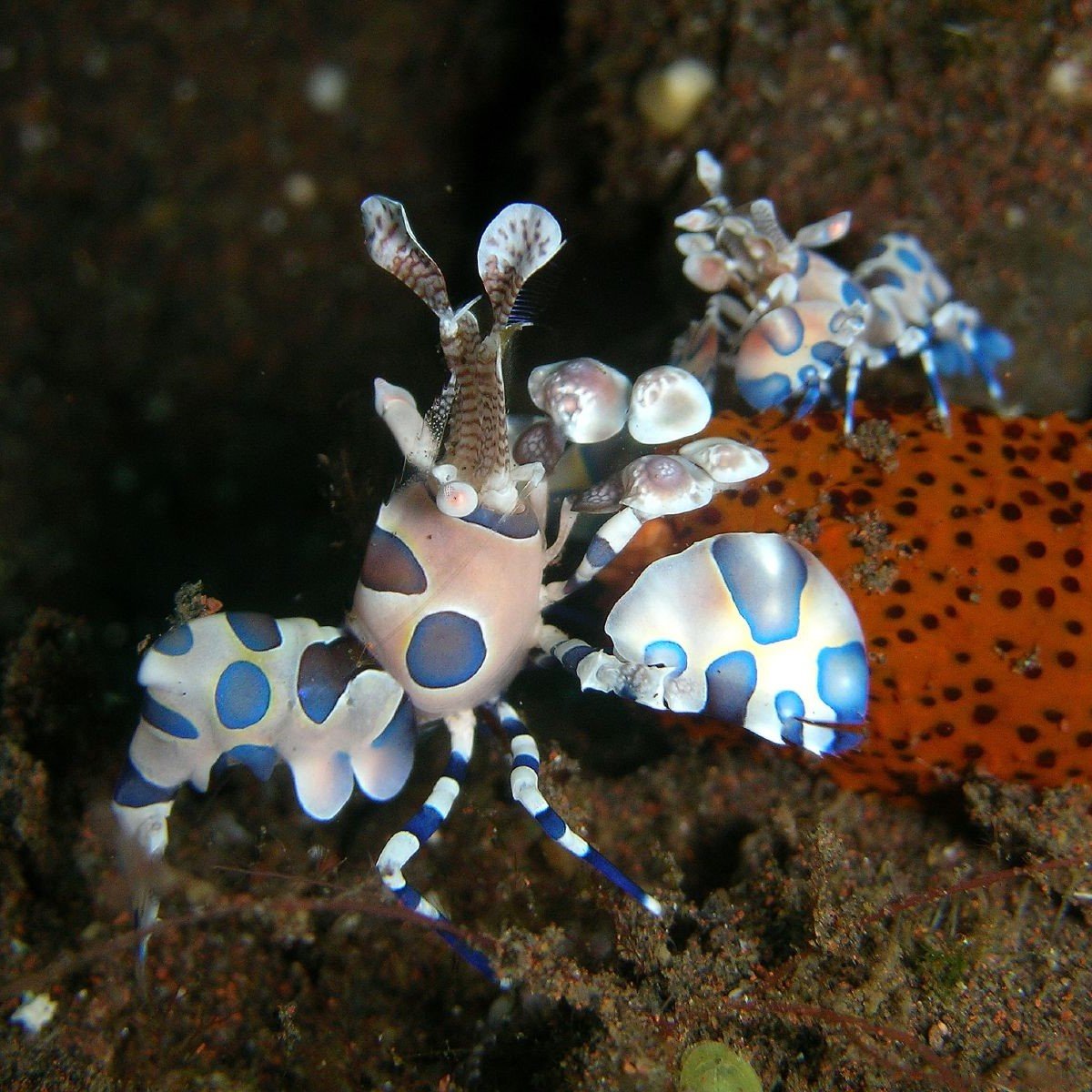
The underwater world is a treasure trove of breathtaking creatures, each with its own unique charm. One such fascinating inhabitant of the oceans is the Harlequin Shrimp (Hymenocera picta). With its vibrant colors, intricate patterns, and peculiar behavior, this small crustacean captures the hearts of divers and marine enthusiasts alike. Join us on a journey to unravel the captivating secrets of the Harlequin Shrimp.
Appearance and Habitat
The Harlequin Shrimp is a species of shrimp found in the tropical waters of the Indo-Pacific region. Measuring only 2 inches in length on average, it may be small in size, but it compensates with an explosion of color. Its body features a striking combination of bright orange, blue, and white, adorned with bold patterns resembling the harlequin clown costumes, hence its common name.
These shrimp prefer to dwell in coral reefs, particularly in the vicinity of sea stars, which play a crucial role in their diet. They can be found at varying depths, typically between 15 and 100 feet, and are most commonly spotted in areas like the Philippines, Indonesia, and the Great Barrier Reef.
Diet and Feeding Habits
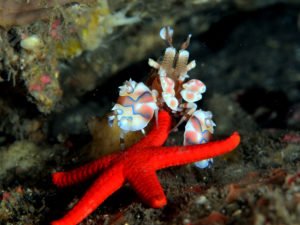
The Harlequin Shrimp has a specialized diet, feeding almost exclusively on echinoderms, particularly sea stars. They are known for their peculiar hunting strategy, targeting specifically the tube feet of these fascinating marine creatures. By severing the tube feet, they disable the sea star’s ability to move and defend itself. It’s not uncommon to find a pair of Harlequin Shrimp working together to immobilize their prey.
Reproduction and Behavior
Harlequin Shrimp exhibit an intriguing mating ritual. The male initiates the courtship by performing an elaborate dance to attract the female’s attention. Once they pair up, they engage in a unique bond, forming a monogamous relationship. They will often spend their entire lives together, defending their territory and reproducing.
These shrimp are meticulous in their housekeeping. They create burrows within the reef or coral heads, where they retreat for safety and breeding. They adorn their homes with pieces of debris, shells, and sponges, meticulously arranging them to create a cozy and protected environment.
Conservation and Threats
While Harlequin Shrimp are not currently considered endangered, they face certain threats due to human activities. Habitat destruction caused by factors like coral bleaching, pollution, and overfishing can negatively impact their population. Additionally, the aquarium trade poses a risk, as they are sought after for their beauty.
It is crucial for us to recognize the importance of preserving these delicate ecosystems and the myriad of species they support. Responsible diving practices, marine conservation efforts, and raising awareness can contribute to the long-term survival of remarkable creatures like the Harlequin Shrimp.
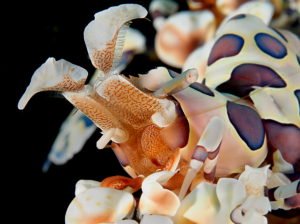
Captivated by Color
The Harlequin Shrimp is a mesmerizing creature that showcases nature’s ingenuity and diversity. Its vibrant colors, intricate patterns, and intriguing behavior make it a true gem of the underwater world. As we strive to protect our oceans and their inhabitants, let us appreciate the wonders they hold, including the captivating Harlequin Shrimp, a testament to the remarkable beauty of marine life.
Remember, there’s so much more to discover beneath the waves, and the Harlequin Shrimp is just one small chapter in the awe-inspiring story of our oceans.
Share Your Thoughts
We hope this blog post has given you a glimpse into the captivating world of the Harlequin Shrimp. Have you ever had the opportunity to encounter these mesmerizing creatures while diving or snorkeling? Perhaps you have additional insights or stories to share about your own experiences with marine life. We would love to hear from you!
Feel free to leave a comment below or reach out to us via the contact form on our website. Your thoughts, questions, and anecdotes are valuable to us and the community of marine enthusiasts. Let’s continue the conversation and share our passion for the wonders of the underwater realm. Together, we can further explore and protect the extraordinary creatures that call our oceans home.