Beneath the shimmering surface of our oceans lies a world of wonder and diversity that often goes unnoticed. Among the countless marine creatures that inhabit these waters, one group stands out for its sheer variety and mesmerizing beauty: Nudibranchs! These enigmatic sea slugs have captured the imagination of marine enthusiasts and scientists alike for their stunning diversity of colors, shapes, and behaviors. With over 4,000 known species and counting, nudibranchs are living testaments to the boundless creativity of nature. In this blog post, we will take a deep dive into the fascinating world of nudibranchs, celebrating the astonishing variety of these remarkable creatures.
The Nudibranch Basics
Before we delve into the kaleidoscope of nudibranch diversity, let’s start with the basics. Nudibranchs are a group of soft-bodied, marine gastropod mollusks that belong to the class Gastropoda. What sets them apart from their relatives like snails and slugs is their lack of a protective shell. Instead, nudibranchs have evolved an array of defense mechanisms, many of which involve their remarkable appearance.
A Symphony of Colors
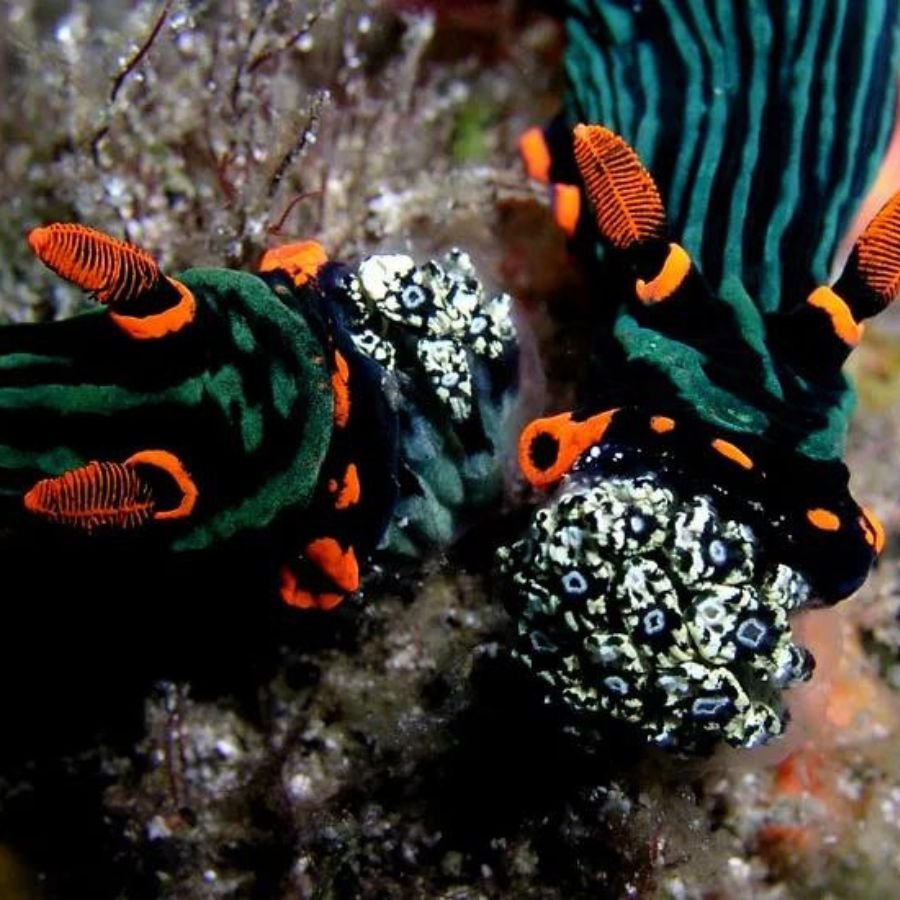
One of the most striking features of nudibranchs is their vivid and diverse coloration. These sea slugs come in an astonishing array of hues and patterns, from electric blues and vibrant oranges to intricate spots and stripes. Some species even exhibit bioluminescence, creating a surreal underwater light show. The stunning colors serve various purposes, from camouflage to warning predators of their toxicity.
Shapes and Sizes
Nudibranchs don’t just dazzle with their colors; they also captivate with their diverse body shapes. While they share a basic slug-like form, they come in various sizes and proportions. Some are long and slender, while others are short and stout. Their unique appendages, known as cerata, can be branched, feathery, or finger-like, depending on the species. These cerata serve multiple functions, including respiration and defense.
Masters of Mimicry
Nudibranchs are true masters of mimicry. Many species have evolved to resemble other marine organisms, such as sponges, corals, or even toxic nudibranchs. This mimicry allows them to blend seamlessly into their surroundings, making them less vulnerable to predation. Some nudibranchs even mimic the colors and patterns of more venomous or unpalatable species to deter potential attackers.
Feeding Habits
Nudibranchs exhibit a wide range of feeding habits, adding yet another layer to their remarkable diversity. While some are herbivorous, grazing on algae and other plant material, others are carnivorous, preying on tiny invertebrates like hydroids and sea anemones. Some species have even developed a taste for stinging cells, incorporating them into their own defenses.
The Hunt for Nudibranchs
Exploring the world of nudibranchs is a rewarding endeavor for divers and marine enthusiasts. These creatures can be found in oceans all over the world, from tropical coral reefs to frigid polar waters. Observing their behavior and interactions with their environment provides valuable insights into the delicate balance of marine ecosystems.
Nudibranch Diversity
As of the latest scientific estimates, there are approximately 4,000 known species of nudibranchs worldwide. These numbers continue to grow as marine biologists and divers discover new species, particularly in unexplored regions of the ocean. The incredible diversity within this group showcases the remarkable adaptability and evolution of these sea slugs.
Share Your Thoughts
Nudibranchs are living proof of nature’s boundless creativity. Their astounding variety of colors, shapes, and behaviors, coupled with the thousands of known species, has fascinated scientists and nature lovers for centuries. As we continue to explore and protect our oceans, let us remember these enchanting sea slugs and the vital role they play in the intricate web of marine life. Embracing and preserving the diversity of nudibranchs is not only a testament to the wonders of evolution but also a commitment to safeguarding the beauty of our underwater world for generations to come.
We want to hear from you! If you have encountered nudibranchs in your underwater adventures or have questions about these mesmerizing sea slugs, feel free to share your experiences or inquiries in the comments section below. Additionally, if you’d like to contribute to nudibranch research or share your own nudibranch photographs, please use the contact form on our website. Together, we can continue to uncover the mysteries of these incredible marine creatures and work towards their preservation.